How to Dry Wet Shoes Without Damaging Them
Dry wet shoes with airflow, gentle moisture removal and care suited to the material. Avoid excessive heat and check the lining and removable insoles before wearing them again.
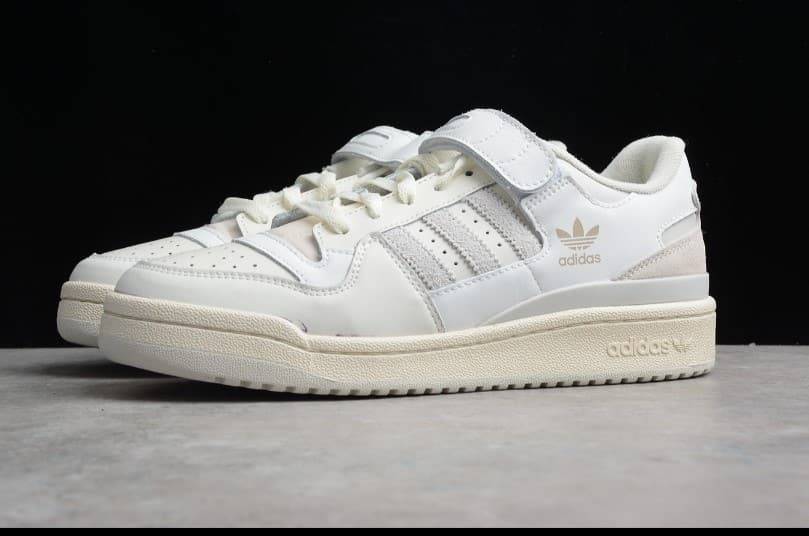
Wet shoes are inconvenient, especially when they are the pair you planned to wear again tomorrow. The tempting shortcut is intense heat, but that can create a second problem by affecting the materials or construction. Start with the shoe maker's care instructions, remove moisture gently and allow air to reach the inside. The best drying method depends on what the shoes are made of and how wet they have become.
Identify the material before choosing a method
Canvas trainers, leather boots and suede shoes should not automatically receive the same treatment. Check the label, product page or manufacturer guidance for the specific pair. Shoes can contain several materials as well as adhesives, coatings and removable parts, so judging only the visible upper may miss an important restriction.
If the shoes are valuable, delicate or already damaged, ask the maker or an appropriate repair professional before improvising. The advice below is a practical framework for ordinary moisture removal, not permission to soak or wash every shoe. Specialized footwear may have additional requirements connected to its intended use.
Remove surface moisture without forcing the shape
Place the shoes on a suitable surface and gently blot excess water with a clean absorbent cloth if the material permits it. Do not twist or wring the shoes. If there is mud or other debris, follow the relevant cleaning instructions rather than rubbing it aggressively into a delicate surface.
Think about where water will go. A towel or tray can protect the floor, but should not become a permanently wet base around the shoes. Keep the drying area away from electrical equipment and places where someone could trip over a trailing lace. A small amount of preparation makes it easier to leave the shoes undisturbed.
Open up the shoe where the design allows
Loosen the laces and open the tongue to improve access to the interior. Remove insoles only if they are designed to come out; forcing a glued component can damage the shoe. Dry removable parts separately according to their instructions, and keep pairs together so they are easy to reassemble later.
Check beneath removable insoles as well as the obvious toe area. A shoe that feels dry across the outside may still contain moisture in the lining or footbed. Avoid putting everything back together prematurely just because the visible upper has changed color or no longer feels wet to a quick touch.
Use absorbent material cautiously
For suitable shoes, loosely placed absorbent paper can help take up moisture from the interior. Nike describes a newspaper method for its relevant footwear and warns about areas with heavy ink that might mark the shoe. Plain absorbent paper may be a more practical choice where ink transfer is a concern, but follow the maker's advice for the material.
Do not pack the shoe so firmly that it stretches or changes shape. Replace damp paper instead of leaving it saturated inside. Check periodically and remove the material when it has done its job. Absorbency helps manage moisture; it does not remove the need for appropriate drying time and ventilation.
Choose airflow over aggressive heat
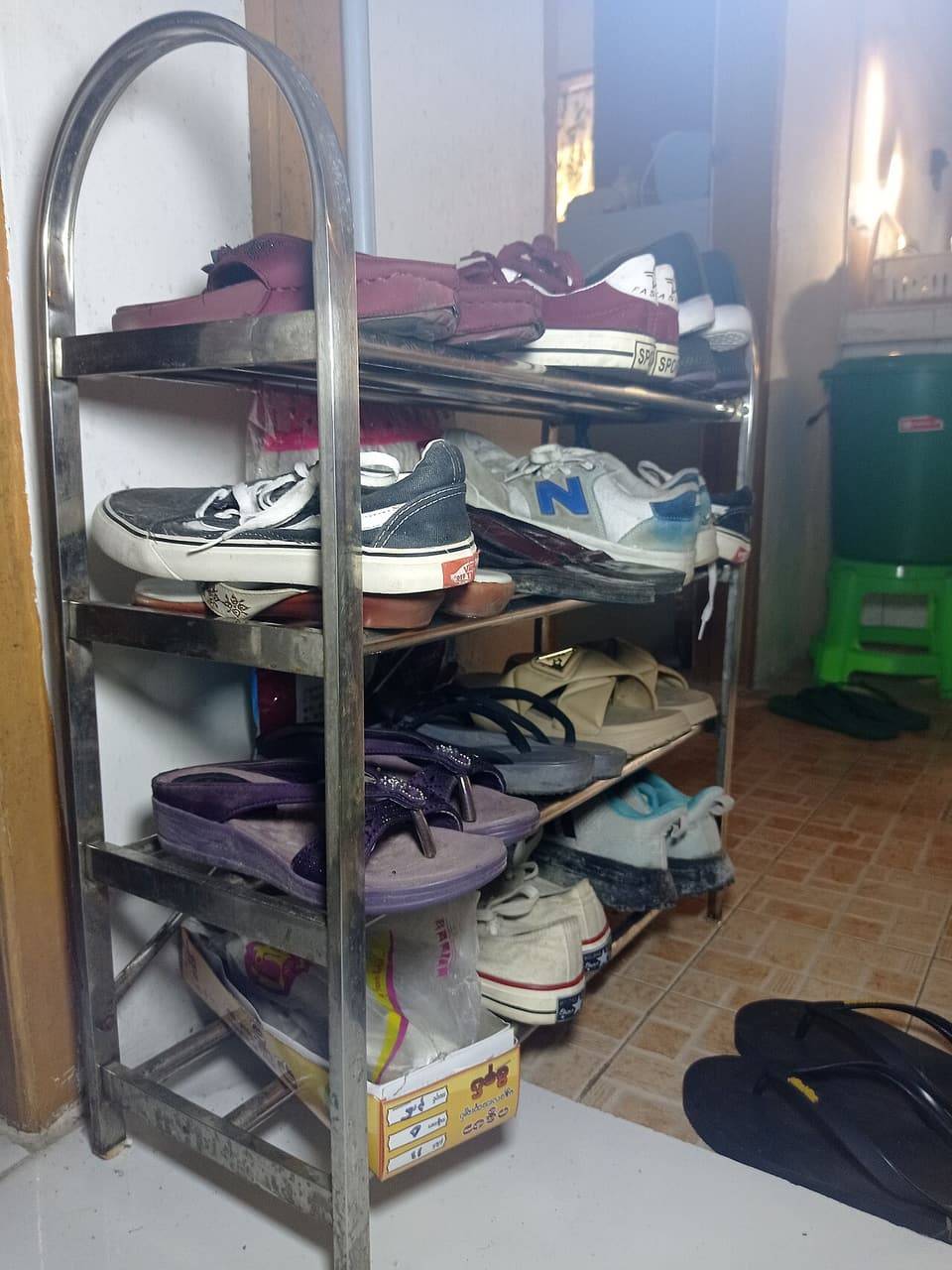
Set the shoes in a ventilated place that suits their care instructions. Nike's general cleaning guidance recommends air drying and avoiding the dryer because excessive heat can damage footwear. The same concern is a reason to check before placing shoes against a radiator or using a hot hair dryer.
If using a fan nearby, keep shoes and wet materials safely separated from electrical parts and do not obstruct the appliance. There is no need to improvise hooks or suspend heavy shoes from equipment not designed to hold them. Ordinary airflow around shoes resting securely can be simpler to manage.
Let the condition of the shoes decide the timing
Do not promise yourself a universal overnight drying time. A lightly damp canvas upper in a ventilated room differs from a soaked padded boot in humid conditions. Check the lining, tongue, toe area and removable components. A fixed number of hours is less useful than a careful assessment of the actual pair.
If you need footwear before the pair is ready, use a suitable dry alternative when available. Wearing shoes while they are still damp is not a method of completing their care. Planning around drying time is often the easiest improvement, particularly during a rainy trip or a week of outdoor activities.
Avoid disguising moisture as an odor problem
Do not pour powders, perfume or household cleaners into wet shoes simply because they smell unpleasant. Those products may be unsuitable for the materials or leave residue. Deal with moisture and cleaning according to the manufacturer first, then consult specific guidance if an odor persists after the shoes are clean and dry.
Check whether removable insoles need separate cleaning or replacement. Do not assume a stronger fragrance means a cleaner interior. If the shoes were exposed to contaminated water or substances requiring special handling, ordinary drying advice may be insufficient; seek appropriate guidance for that exposure.
Reassemble and check before use
Return dry, removable insoles to the correct shoes and arrange laces normally. Inspect for separation, distortion or damage that became visible during drying. If the fit or structure has changed, consider whether the shoes remain appropriate for their intended activity rather than ignoring the change because the outside looks presentable.
For travel, keep a workable plan for wet items instead of sealing damp shoes with clean clothes for long periods. Our rolling and folding packing guide explains why organization should follow the job an item needs to do. Gentle moisture removal, suitable airflow and enough time are usually a better foundation than a rushed blast of heat.