How to Wash Microfiber Cloths Without Ruining Them
Wash microfiber cleaning cloths with a practical routine for sorting, detergent, drying and storage. Learn why the product label matters more than a universal hot-wash rule.
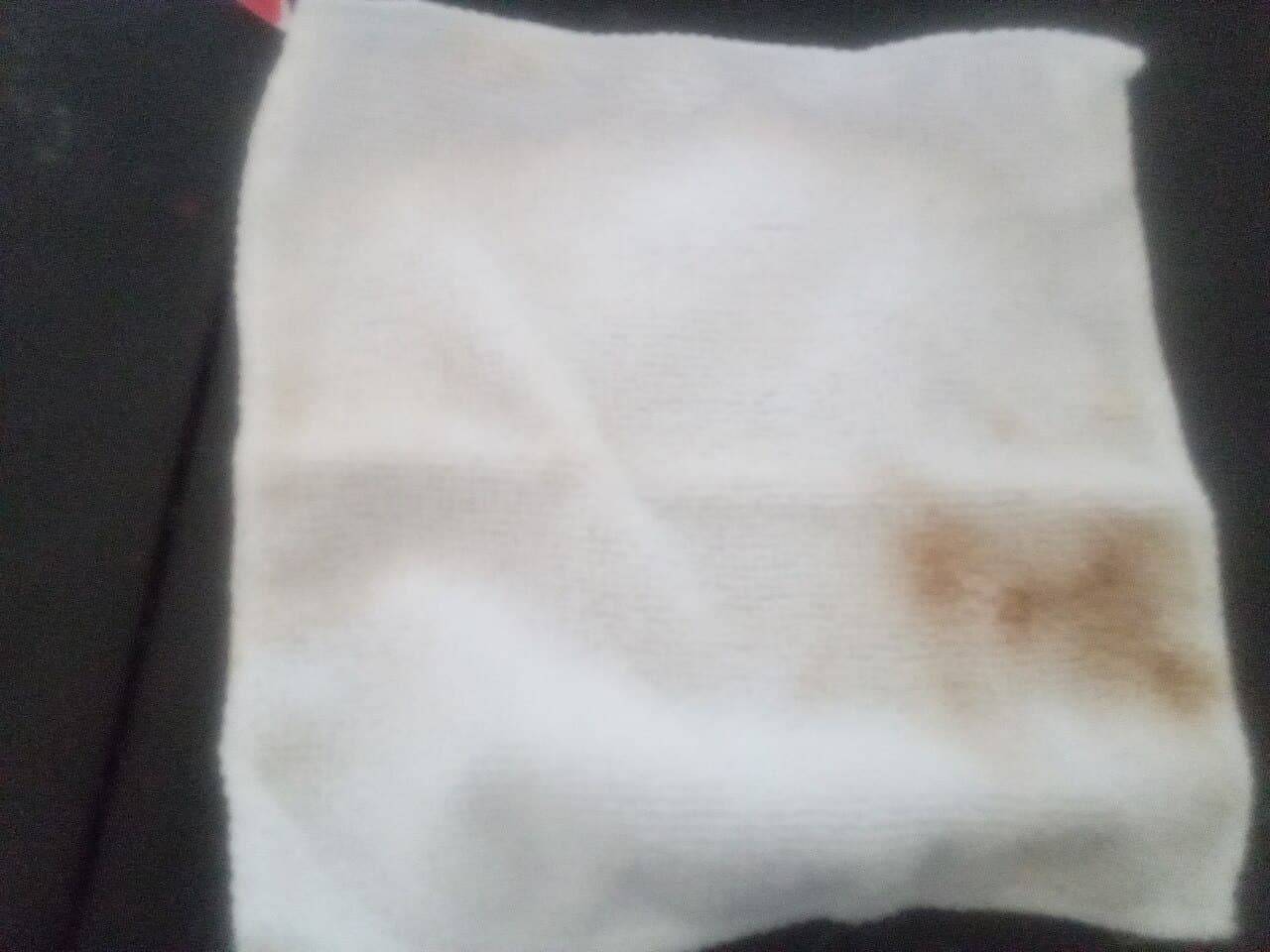
A microfiber cloth is useful only when it is clean enough for its next job. Leaving a damp, greasy cloth in a cupboard or laundering every cleaning textile as though it were a cotton towel can make the routine less effective. The simplest approach is to identify the product, separate dirty tasks, follow its care limits and let it dry fully before storage. There is no single temperature that suits every cloth sold as microfiber.
Start with the manufacturer's instructions
Microfiber describes fine fibers, but it does not tell you everything about a finished product. Cloths may have different blends, constructions, borders or surface treatments. Look for the care label, packaging or the maker's product page before choosing washing and drying settings. A manufacturer's instructions for one range should not automatically be applied to another.
For example, E-Cloth tells users of its relevant products to avoid fabric softener and dryer sheets. Its guidance is useful evidence for those products, not permission to boil every cloth in the cleaning cupboard. If you cannot identify an item, begin by finding reliable instructions rather than adopting the hottest method suggested online.
Keep different cleaning jobs separate
Assigning cloths to jobs can make laundering and reuse easier to manage. You might keep bathroom cloths separate from cloths used around food preparation, and reserve a particular cloth for glass. Choose a system you can remember: a labeled container may work better than colors if the household already has a mixed collection.
The arrangement should explain where used cloths go as clearly as where clean ones live. A cloth that has just wiped a dirty surface should not be folded back into the clean stack. If you use a disinfectant or other cleaner, follow that product's instructions too; washing advice alone does not establish that a cloth or surface has been disinfected.
Deal with loose dirt before laundering
Shake or rinse away loose debris as appropriate to the product and task. Check for grit that could scratch a surface during the next use. Keep cloths that have picked up substances requiring special handling out of an ordinary mixed wash, and follow the relevant product or local disposal guidance rather than assuming the washing machine can solve every contamination problem.
Do not leave a wet cloth balled up for days while waiting for a full load. Create a suitable place for used cloths to dry between handling and laundering, away from clean textiles and food. The exact arrangement depends on the home, but the distinction between clean, in use and awaiting washing should be obvious.
Choose detergent deliberately
Use the amount of detergent appropriate to the load, product instructions and water conditions. More detergent is not automatically a better clean. Check whether the detergent includes a softening component if the cloth maker prohibits fabric softener. The front of the bottle may emphasize fragrance or convenience while the details explain what is actually included.
Avoid adding a collection of extra products by habit. E-Cloth explains that softeners can interfere with the spaces between its fibers. If you are changing a routine because cleaning performance has declined, return first to the approved basic wash rather than layering on unverified treatments. Record which product was used if you need to ask the maker for advice.
Set the cycle and temperature from the label
Check temperature limits before combining cloths in one load. Similar-looking products may not share the same maximum temperature. A dedicated small load can be easier to organize than mixing cleaning cloths with textiles that shed a great deal of lint, although the maker's instructions should guide what can safely be washed together.
If care symbols are the obstacle, our laundry-symbol guide explains how to read the washing and drying instructions as separate steps. Do not treat a successful hot wash on one occasion as proof that the same process is suitable for every future use.
Dry completely, then store clean
Use an approved drying method and pay attention to any heat restriction. If tumble drying is permitted, check the dryer setting rather than assuming its default is gentle. If air drying, spread the cloth out so it can dry instead of leaving it folded over itself in a damp heap.
Return only fully dry, clean cloths to storage. A compact labeled box, shelf or drawer can keep them away from the used pile. Fold or arrange them in a way that makes the number available easy to see; this is a practical inventory system, not a requirement to create perfectly matched stacks.
Investigate a problem before replacing everything
If a cloth leaves streaks, consider several possibilities: it may contain residue, be carrying dirt, be too wet for the job or be unsuitable for that surface. Check the surface-cleaning instructions as well as the textile care instructions. A cloth can be correctly laundered yet still be the wrong tool for a particular finish.
If softener was used accidentally, consult the manufacturer's recovery advice. If a cloth is damaged or no longer performs after approved care, stop assigning it to a job where that matters. Keeping a manageable collection with clear roles usually works better than accumulating a drawer of unidentified textiles.
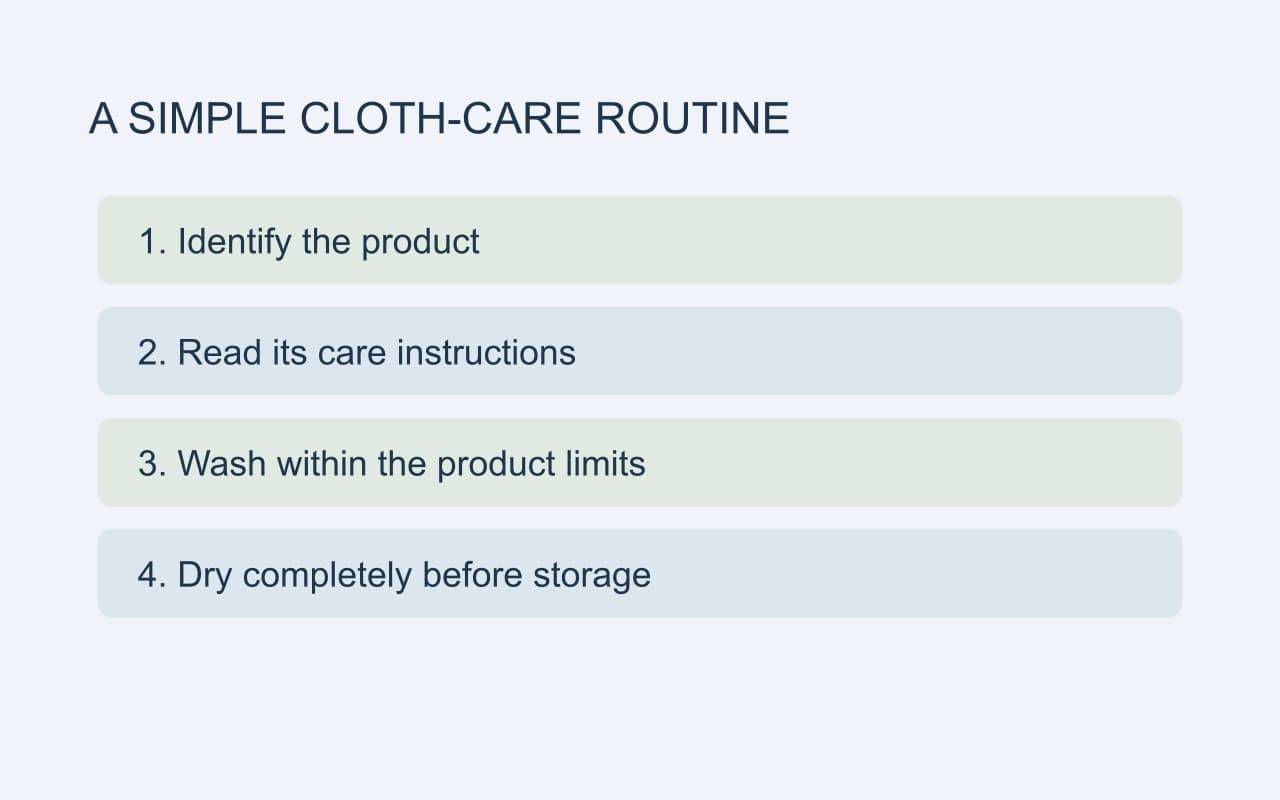
An effective microfiber routine is mostly about consistency: know what you own, keep dirty tasks separate, wash within the product's limits and dry before storage. Those steps make the next cleaning session easier without relying on aggressive treatments or universal rules that ignore differences between products.