Laundry Symbols Explained: A Clear Guide to Clothing Care
Understand the washing, bleaching, drying and ironing symbols on clothing labels, then turn them into a simple laundry routine that respects the whole garment.
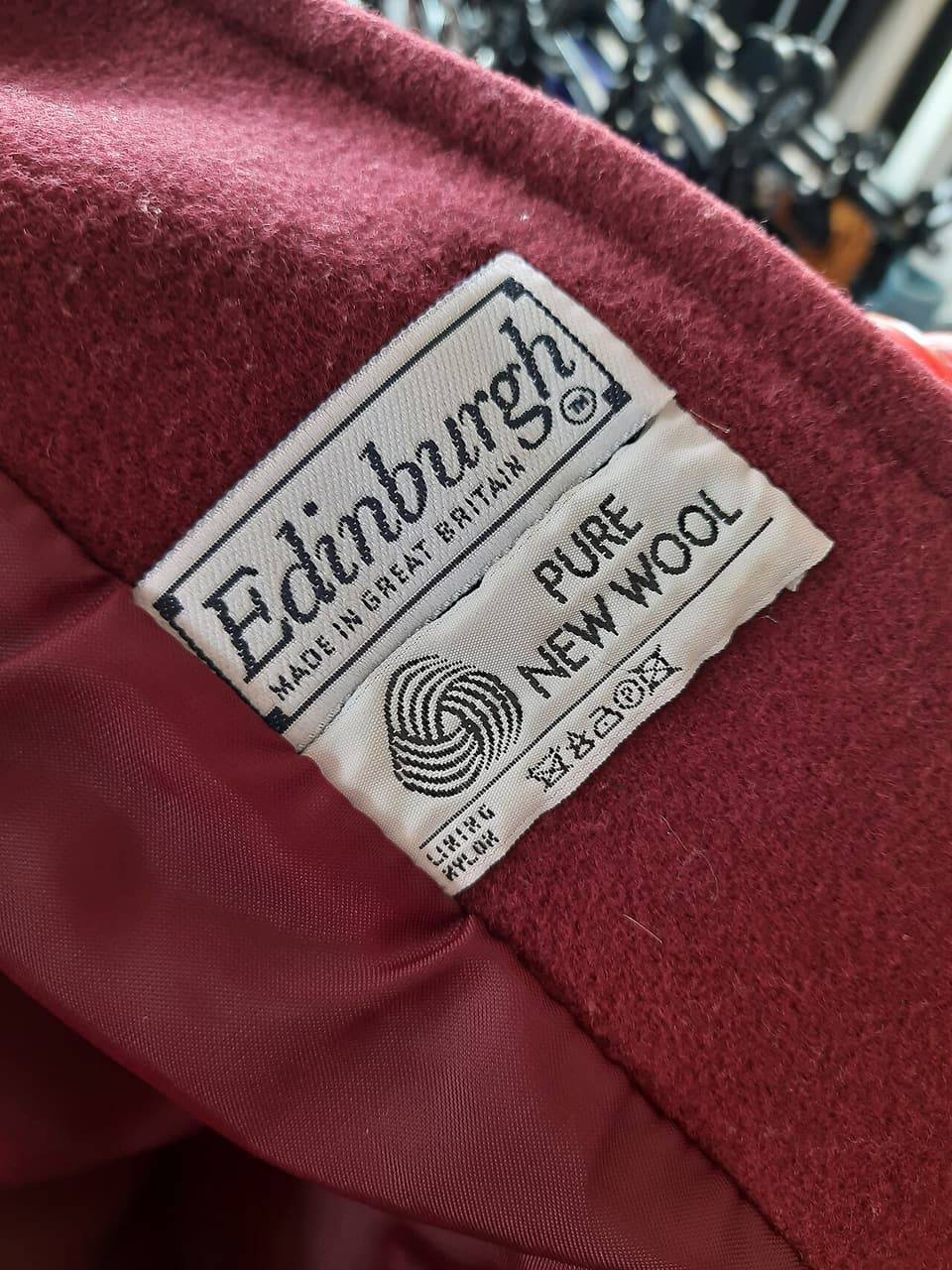
The smallest label in a garment can prevent the largest laundry mistake. A shirt may look like an ordinary cotton item yet contain a lining, trim or finish that changes how it should be cleaned. Learning the main laundry symbols gives you a practical starting point. The useful habit is to read the entire label before choosing a cycle, rather than guessing from the fabric's appearance.
Read the label as a sequence
Care instructions usually describe several different jobs: washing, bleaching, drying, ironing and professional cleaning. A symbol for one job does not automatically approve the others. Permission to machine wash, for example, does not mean a garment can tolerate a hot tumble dryer. Read each part before moving the item into a general laundry pile.
Look for words alongside the symbols. Instructions about washing separately, avoiding steam or drying in the shade can be as significant as the main icon. If you have bought the item secondhand and the label is faded, photograph what remains and check the manufacturer before experimenting with an expensive or delicate piece.
The wash tub deals with water washing
The wash-tub shape is the first icon many people recognize. Numbers may specify a maximum washing temperature, while dots can represent temperature settings in the applicable system. Bars beneath a tub indicate a gentler process. A hand in the tub indicates hand washing; a crossed-out tub means the item should not be washed in water.
Do not assume a machine's cycle name is an exact translation of a symbol. Different appliances use different labels and combinations of movement, temperature and spin. Check the machine manual when a garment needs a particular gentle process. Putting an item in a mesh bag does not override a prohibition on machine washing.
A triangle addresses bleach
The triangle concerns bleaching, not the quantity of detergent. An open triangle permits bleach as directed, a triangle with diagonal lines indicates non-chlorine bleach only, and a crossed-out triangle means do not bleach. Consult a recognized symbol chart if the printing is unclear rather than trying to infer the meaning from the garment's color.
Keep the care label and the cleaning-product instructions together in your decision. A white garment is not automatically safe for chlorine bleach. Check trims, prints and mixed materials too. Never mix household cleaning chemicals to create a stronger treatment; follow the product's directions and keep products in their original containers.
The square explains drying
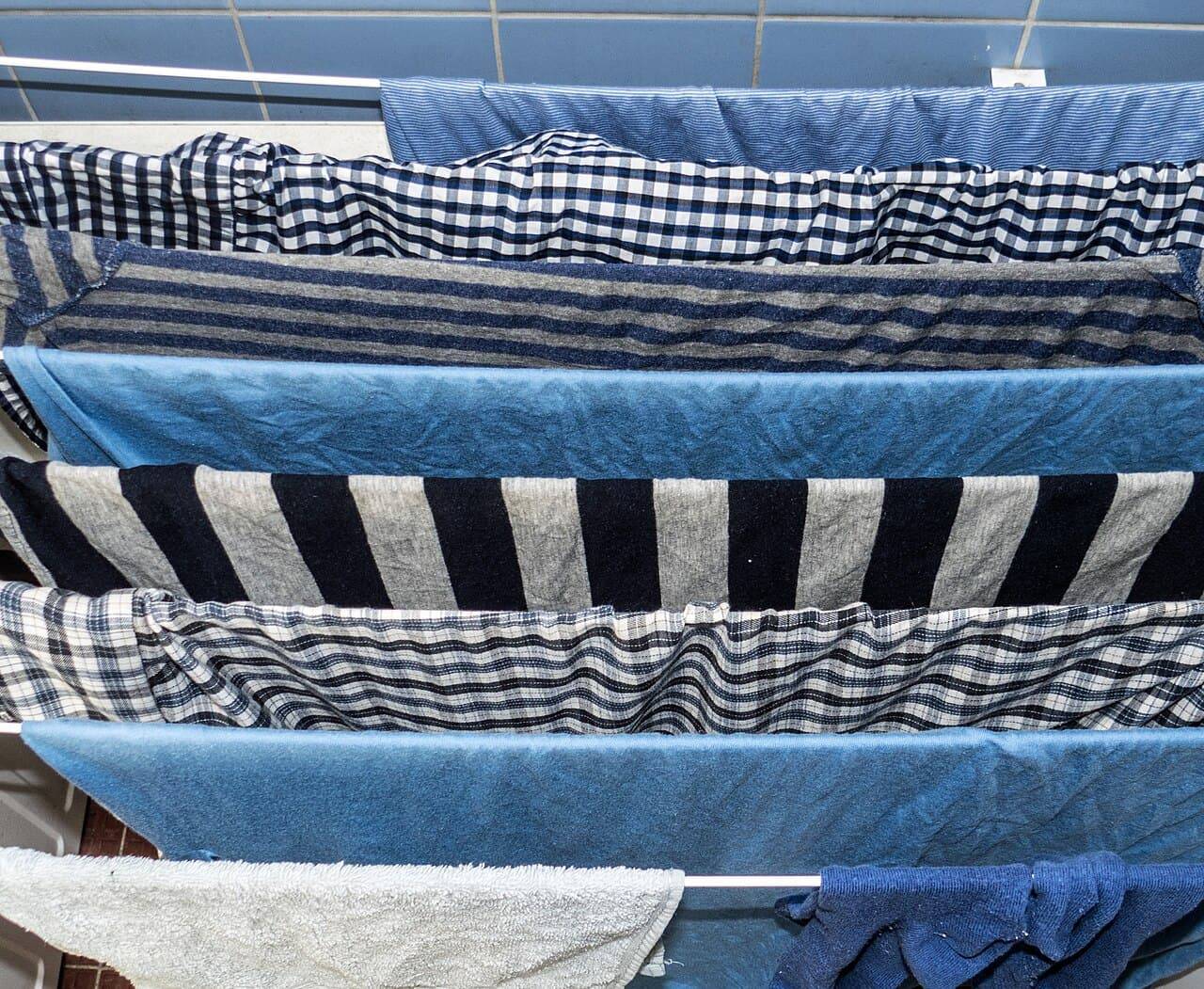
A square relates to drying. A circle inside it identifies tumble drying, with dots or additional markings describing permitted heat and process. Other marks inside a square can specify hanging, dripping or flat drying. These distinctions matter because the weight of a wet knit can change its shape if it is hung when the label calls for drying flat.
Set up the drying place before starting the wash. If an item needs flat drying, make sure there is a clean suitable surface available. If several loads require air drying, allow room between pieces. A label-friendly wash loses its value if the clothes are then put through an unsuitable drying process because the rack is already full.
The iron is about finishing heat
Dots inside an iron identify permitted heat levels in the relevant symbol system, and a crossed-out iron prohibits ironing. A no-steam instruction is a separate restriction. Consult the iron's instructions as well as the garment label; a fabric name printed on an appliance dial cannot account for every lining, coating or decorative detail.
Treat uncertain garments cautiously. Check whether the item actually needs ironing before setting up the equipment. Hanging or arranging a garment appropriately after washing may reduce the work, depending on its care instructions. Pressing is not a rescue treatment for damage that has already happened in the dryer.
The circle is information for professional care
A circle, often with a letter, concerns professional cleaning. Those letters describe processes for the cleaner rather than a home laundry recipe. Bring the label to the cleaner's attention and explain any stain treatment already attempted. That gives the professional a clearer picture than an instruction to make the garment look new at any cost.
If a label provides more than one approved care method, choose among those methods according to your needs. If instructions appear contradictory or unreadable, ask the manufacturer or a reputable cleaner. A confident guess is still a guess, especially with structured clothing or items with glued, painted or embellished surfaces.
Make sorting easier without memorizing every icon
Create a small set of laundry groups based on actual care requirements, not just color. One group might be ordinary machine-wash items, another gentle-cycle pieces, and a third items needing a different drying method. Keep anything with unclear instructions out of the automatic routine until you have checked it.
For frequently worn clothes, a quick photograph of an awkward label can save repeated squinting. Keep the image beside a note identifying the item. Cleaning cloths deserve the same attention: our microfiber washing guide explains why products that look similar can still have different care limits.
Laundry symbols are a compact set of instructions, not a test of memory. Read the full label, match the approved process to your equipment, and separate items whose needs differ. That small pause is usually easier than trying to correct a shrunken knit, damaged trim or permanently altered finish.